




An energy-efficient villa both reduces operating costs in the long term and enhances living comfort. The foundation of energy efficiency lies in choosing the right insulation system and materials. In this article, we discuss the key factors that determine energy efficiency in villa projects.
The Role of Thermal Insulation
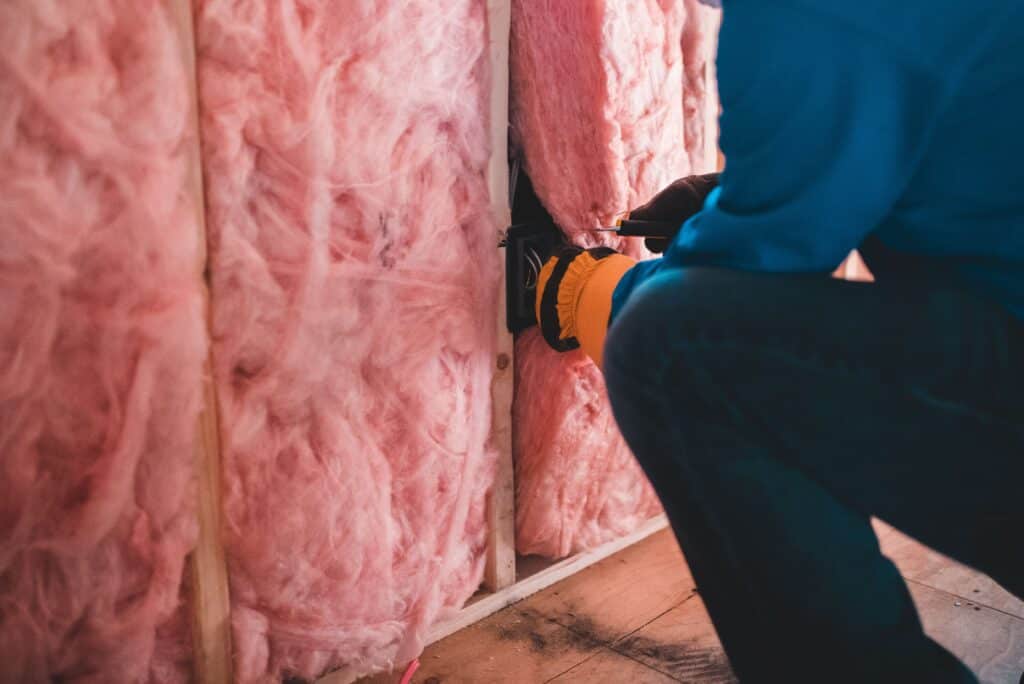
The exterior wall insulation system prevents a significant portion of heat loss. The insulation thickness and material selection must be calculated in accordance with the TS 825 standard, based on the local climate zone. Since roofs and attic spaces are also areas where a significant portion of heat loss occurs, roof insulation should not be neglected.
The Connection Between Waterproofing and Energy Efficiency
A damp building material significantly reduces thermal insulation performance. For this reason, properly applied waterproofing from the foundation to the roof is essential not only for the structural integrity of the building but also for the efficient operation of the thermal insulation. Deficiencies in basement and foundation waterproofing lead, over time, to the insulation material absorbing moisture and losing its effectiveness.
Other Factors Affecting Energy Efficiency
- Windows and joinery: Double- or triple-glazed, low-U-value PVC or aluminum window frames.
- Structure guidance: Proper planning of the villa’s sun-facing facades promotes natural heating and lighting.
- Heating/cooling system: Opting for efficient systems such as underfloor heating and heat pumps.
- Ventilation: Heat-recovery ventilation systems reduce energy loss.
In Çeşme, the Main Load Is Not Heating, but Cooling
Discussions of energy efficiency are mostly centered on heat loss: the thickness of exterior wall insulation, roof insulation, and heat escaping in the winter. In Çeşme and Alaçatı, however, the main factor determining the energy consumption of villas is cooling in the summer. This shifts design priorities.
The most effective way to reduce the cooling load is not to remove heat after it has entered, but to prevent it from entering in the first place:
- Solar control in glass: When it comes to windows, it is important to consider not only thermal transmittance (U-value) but also the solar heat gain coefficient. In villas with expansive facades and views, the solar heat entering the building represents a much greater load than the heat transferred through the walls.
- Shading: Awnings, pergolas, shutters, and other exterior shading elements are much more effective than curtains drawn from the inside because they protect the glass from the sun; the heat is blocked before it reaches the glass.
- Facade orientation: The west-facing side is the most difficult to manage because it receives the sun at a low angle during the hottest hours of the day. The layout of living spaces and large windows should be planned with this in mind.
- Roof: During the summer months, the greatest heat gain comes from the roof. A ventilated attic and a light-colored, reflective surface significantly reduce the cooling load.
- Nighttime ventilation: Nighttime temperatures along the coastline drop significantly compared to daytime temperatures. Designing the building to draw in the cool night air delays the need for air conditioning in the morning.
Thermal insulation is no less important in this context; a well-insulated building envelope keeps the cool air inside even in the summer. However, in Çeşme, increasing the insulation thickness alone is not enough; efficiency cannot be achieved without solar control.
Points to Consider When Selecting Materials
The thermal conductivity coefficient (lambda value) of insulation material should be low, and it should also have a structure that does not absorb moisture or water. Thanks to our background in chemistry, at İmerek Yapı, we meticulously review the technical data sheets for insulation and waterproofing materials and select the products best suited for each project. Our zero-tolerance approach to waterproofing Waterproofing in Buildings You can read it on our website.
Frequently Asked Questions
How much does building an energy-efficient villa increase the cost?
The cost of additional insulation and window frames results in a small increase in the total construction budget; however, this difference is offset by energy savings in the long run.
Why does waterproofing affect thermal insulation?
Moisture-retaining insulation material increases thermal conductivity, which leads to a decrease in insulation performance.
What is the TS 825 standard?
This is the Turkish Standard that establishes thermal insulation requirements for buildings based on climate zones, and compliance with it is mandatory during the building permit process.

