




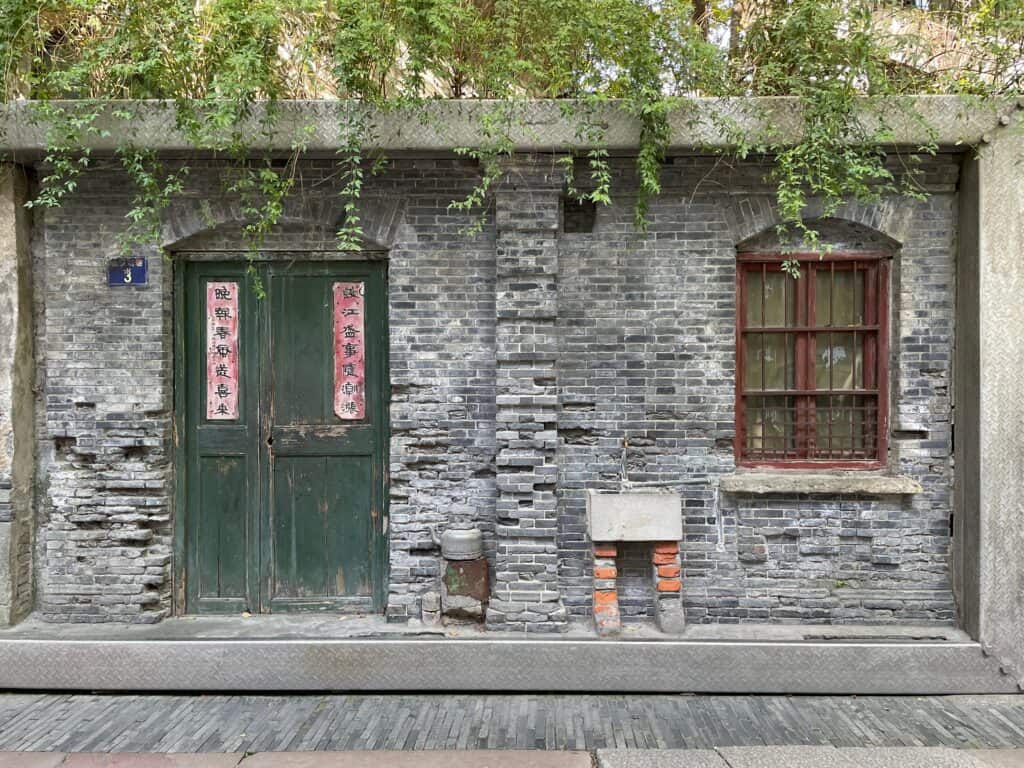
The exterior facade of a villa is a design decision that directly affects both its aesthetic appeal and the structure’s durability. The three most commonly chosen exterior cladding options for villa projects in Çeşme and Alaçatı are stone, wood, and stucco. Each has its own unique advantages, maintenance requirements, and cost ranges.
Stone Facade Cladding
Natural stone cladding stands out for its long lifespan and low maintenance requirements. It is particularly favored for villas in the Çeşme region due to its appearance, which is well-suited to Aegean architecture. The downside is that labor and material costs are higher than those of other options. When installed correctly, it is also resistant to moss growth and moisture problems; however, it would not be accurate to say that it “requires no maintenance at all”—the condition of the grout joints must be checked periodically, and damaged joints must be repaired promptly. Problems with a stone facade usually stem not from the stone itself, but from the grout joints.
If you want to build a stone-faced villa from the ground up on an empty lot in Alaçatı, Construction of a Stone Villa in Alaçatı You can check out our services.
Wood Siding
Wood siding offers a warm and natural look; it is particularly popular in modern and Mediterranean-style villas. However, it requires periodic maintenance (impregnation, varnish) to protect it from outdoor weather conditions. If the proper impregnation process is not performed, moisture and UV rays can cause color loss and cracks over time.
Plaster Facade Cladding
Mineral-based exterior wall plasters are the most widely used type of coating due to their affordability and wide range of color options. When applied in conjunction with a thermal insulation system (exterior insulation), they also contribute to energy efficiency. With the right plaster system and high-quality application, they can be used trouble-free for many years; however, their lifespan is directly related to the direction the facade faces and the weather conditions to which it is exposed.
A Key Factor in Çeşme: Salty Air
There is a single factor that distinguishes the selection of facade materials along the coastline from that in inland regions: wind-borne salt. When salt reaches the facade, it crystallizes on the surface and inside the pores; as the cycles of wetting and drying repeat, these crystals create pressure within the pores, causing the material to spall from the surface. In buildings near the coast, spalling of plaster, salt efflorescence on stone surfaces, and spalling in joints are most often caused by this mechanism.
This has three implications for the front-line decision:
- Porosity is important. When selecting stone, not only its color and texture but also its water absorption rate should be considered; porous stones absorb salt more easily.
- The water-repellency of the plaster system is critical. Mineral-based plaster used on exterior walls must be water-repellent and breathable; a system that prevents water from entering but allows moisture from the interior to escape significantly reduces the risk of blistering.
- Metal fasteners must be made of stainless steel. Screws, clips, and profiles that hold wood or stone cladding are prone to rapid corrosion in a salty environment; even if the facade material remains intact, the cladding cannot fulfill its function once the fasteners fail.
On wooden facades, salt and UV radiation work together; therefore, the maintenance schedule for wood on villas near the coast should be planned more frequently than for a structure in inland areas.
When Should You Choose Which Type of Coating?
- If long-term, low-maintenance costs are a priority: stone cladding
- If you're aiming for a warm, natural aesthetic: wood veneer (provided that regular maintenance is performed)
- If you're looking for a budget-friendly and energy-efficient solution: exterior insulation and finish system
- Generally, the best results are achieved by using these three materials together in a balanced way on the facade.
At İmerek Yapı, we plan the selection of facade materials for villa projects by taking into account the region’s climatic conditions and the building’s waterproofing details. Regarding exterior facade installations and renovation processes, Renovation Services You can find more information on our website.
Frequently Asked Questions
Which type of siding lasts the longest?
When installed properly, natural stone cladding is the option that requires the least maintenance and has the longest lifespan.
How often does wood siding require maintenance?
Depending on the type of wood used and the region’s climate conditions, treatment and protective maintenance are generally recommended every 2 to 4 years.
Can different facade materials be used together?
Yes, the combination of stone, wood, and stucco in villa projects provides both aesthetic variety and a balance in costs.

