




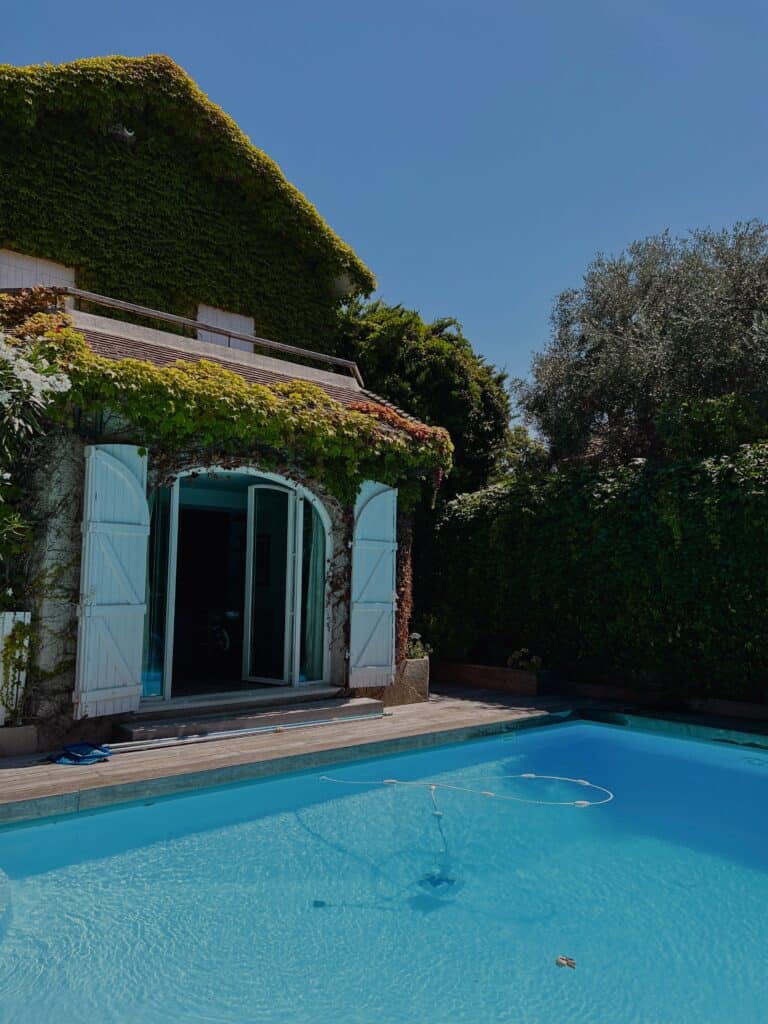
Havuzlu bir villaya sahip olmak, düzenli bakım gerektiren bir sorumluluk da beraberinde getirir. Mevsime göre değişen bakım ihtiyaçları doğru şekilde karşılanmadığında, hem havuz ekipmanlarında hem de su kalitesinde kalıcı sorunlar oluşabilir. Bu yazıda havuzlu villa bakımı için yaz ve kış aylarına göre planlamanın nasıl yapılması gerektiğini ele alıyoruz.
Havuzlu Villa Bakımı: Yaz Aylarında Yapılacaklar
- Water chemistry testing: Measuring pH and chlorine levels weekly prevents algae growth and bacterial growth.
- Filtration system: Regular cleaning of the filters maintains water clarity and extends the pump's lifespan.
- Surface cleaning: Daily removal of leaves and dirt buildup from the surface.
- Water Level Monitoring: Check the water level regularly due to heavy use and evaporation.
Why Does pH Come Before Chlorine?
The most common mistake in pool maintenance is adding chlorine immediately when the water becomes cloudy or algae begins to grow. However, it is the water’s pH level that determines whether chlorine can do its job.
Suya verilen klor, havuzda iki farklı biçimde bulunur: hipokloröz asit ve hipoklorit iyonu. Dezenfeksiyonu asıl yapan, bunlardan hipokloröz asittir; hipoklorit iyonu ise belirgin şekilde daha zayıf etki gösterir. Bu ikisi arasındaki denge doğrudan pH’a bağlıdır. pH yükseldikçe denge zayıf olan biçimin lehine kayar.
In practice, this means that a chlorine measurement taken when the pH is high may indicate “sufficient chlorine,” but in reality, there is little disinfectant in the water. The pool owner sees algae growth and adds more chlorine; the result is eye and skin irritation, increased chemical costs, and an algae problem that remains unresolved. The correct sequence is always the same: First pH, then chlorine.
pH has limits in both directions. High pH leads to lime buildup and cloudiness; low pH, on the other hand, causes corrosion in metal parts and wear on grout and coatings. Total alkalinity determines how much the pH fluctuates throughout the day; if alkalinity is low, the pH constantly shifts and no adjustment is permanent. For this reason, the order of measurement is alkalinity, pH, and chlorine.
Is the Situation Different in Saltwater Pools?
Pools with salt generators are sometimes described as “chlorine-free pools”; this is not accurate. A salt generator produces chlorine directly in the pool by electrolysis of the salt added to the water. The difference lies in the source of the chlorine: rather than being added manually from an external source, it is produced continuously in small doses.
The practical advantage of this is that the dose remains stable without sudden spikes, and the pool owner is spared the burden of storing and handling chemicals. However, pH monitoring is still necessary—in fact, the electrolysis process tends to raise the water’s pH, so regular pH checks are required even in saltwater pools. The system’s cell also becomes scaled over time and requires periodic cleaning.
Pool Maintenance During the Winter Months
Kullanılmayan dönemde havuzun doğru şekilde kışa hazırlanması, donma ve ekipman hasarını önler. Kış bakımında dikkat edilmesi gereken başlıca noktalar şunlardır (adım adım liste için havuzu kışa hazırlama kontrol listemize bakabilirsiniz):
- Protecting the pipe and pump system against freezing: At temperatures below zero, there is a risk of freezing in the plumbing system; therefore, it may be necessary to drain the system or add antifreeze.
- Bringing the water chemistry into winter balance: Adjusting the pH and chlorine levels before winter helps reduce algae growth that may occur at the beginning of summer.
- Using a pool cover: A winter cover may be used to prevent the buildup of leaves and dirt, as well as to reduce heat loss through water.
- Equipment inspection: Technical inspection of the pump, filter, and heating system before winter.
The Effect of Pool Construction Materials on Maintenance Requirements
The quality of the waterproofing materials and ceramic tiles/finishes used during the pool’s construction phase directly affects long-term maintenance needs. Inadequate waterproofing can lead to leaks and ground moisture problems over time. Therefore, selecting the right materials during pool construction reduces both the frequency and cost of future maintenance.
At İmerek Yapı, we prioritize waterproofing in pool construction right from the design phase. For more information, Pool Manufacturing Our page, for cost calculations Cost of a Backyard Pool and Villa Havuzu Maliyeti yazılarımızı, klor yerine alternatif için havuzda ozon sistemi You can read our article.
Havuzlu Villa Bakımı Hakkında Sıkça Sorulan Sorular
Is it necessary to completely drain the pool in the winter?
No—two separate things are being confused here. The pool basin should not be drained: The water inside keeps the shell in balance against the pressure coming from the ground; an empty pool can cause the shell to be stressed on coastal lots where the groundwater level is high. The following plumbing fixtures must be drained: When water left in the pump, filter, heater, and pipes freezes, it causes cracks. In other words, the water level is lowered while maintaining the pool’s capacity, and the plumbing system is completely drained.
Why should water chemistry be monitored regularly?
This is because pH directly determines the effectiveness of chlorine. Even if chlorine levels appear adequate when the pH is high, the amount of disinfectant in the water decreases; in this case, adding more chlorine does not solve the problem—it only causes irritation and increases costs. In addition, an unbalanced pH can lead to corrosion or scaling in the equipment.
Why is waterproofing important in pool construction?
Inadequate waterproofing can lead to leaks into the floor and structural moisture problems, which may result in significant repair costs in the future.

