




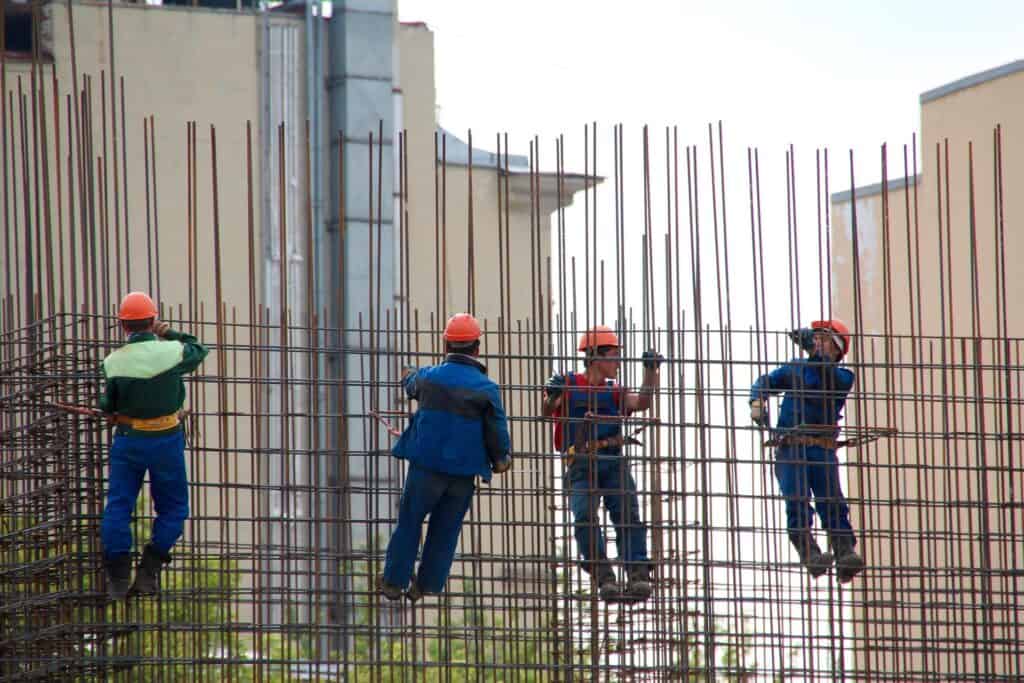
In villa construction, concrete is one of the materials most frequently overlooked on-site, yet its effects are the most lasting. A surface that appears smooth when the formwork is removed does not necessarily mean that the concrete has actually achieved the strength specified in the project; this can only be verified through on-site measurements and tests. At İmerem Yapı, while we carry out the rough construction without subcontractors—using our own team and our own formwork system—we treat concrete quality as a separate control process that we do not leave to chance. In this article, we discuss the three fundamental steps of concrete quality control on a villa-scale project: the slump test, sample collection, and the curing process.
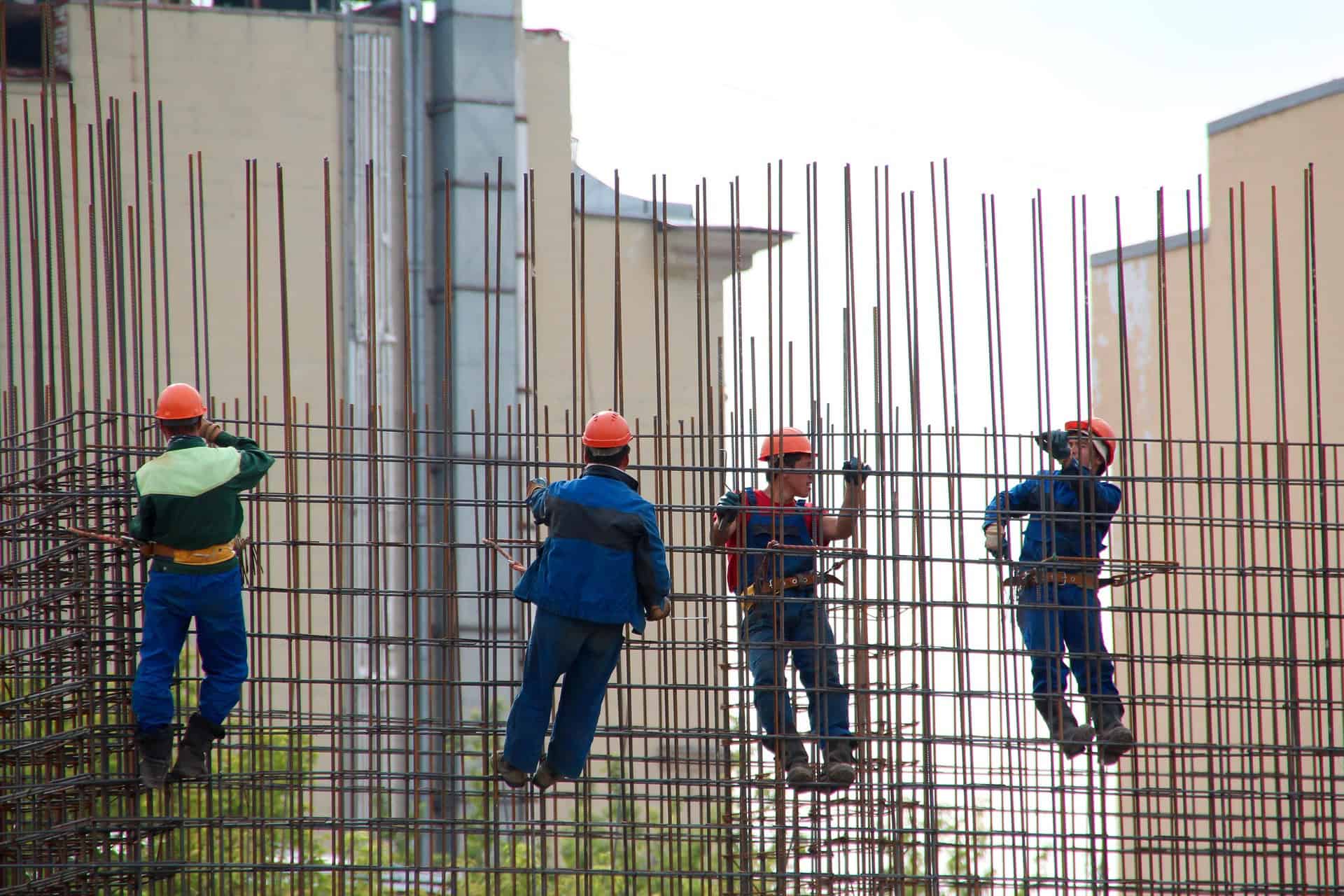
Why Does Concrete Quality Determine the Lifespan of a Villa?
Even concrete produced using the same mix design can yield different results by the time it reaches the construction site; variables such as air temperature, transport time, pouring rate, and the quality of vibration directly affect the concrete’s ultimate strength. Compliance with earthquake codes is not limited to ensuring that the diameter and spacing of the reinforcement conform to the design; it is equally critical that the structural system achieves its specified compressive strength. The fact that a column or shear wall appears visually sound does not guarantee that the concrete inside has achieved the desired strength; therefore, concrete quality control is one of the most critical aspects of rough construction that must be monitored.
Slump Test and Sampling
The slump test is a simple yet decisive field control method for measuring the consistency and workability of fresh concrete; the amount of slump of the concrete poured into a standard cone indicates whether the water-cement ratio and consistency of the mix comply with the project specifications. Concrete that is too wet or too dry cannot be poured uniformly, thereby increasing the risk of voids (segregation) in columns and shear walls. In addition to the slump test, taking cube samples from each poured batch of concrete is an integral part of our practice; these samples are sent to the laboratory and subjected to compressive strength testing on the 7th and 28th days, and the results are compared with the values specified in the project.
Curing Process: When Should the Mold Be Removed?
Concrete is a material that continues to gain strength even after it is poured; this process proceeds as the cement hardens through a reaction (hydration) with water, and if premature drying occurs without sufficient moisture being maintained, the concrete will never reach its intended strength. In particular, the high temperatures in Çeşme during the summer months can cause surface water to evaporate rapidly, potentially leading to surface cracks; therefore, monitoring moisture levels during the curing period requires special care. Removing the formwork before curing is complete carries the risk of deflection, cracking, or permanent deformation in the structural element, which has not yet reached sufficient strength. For this reason, the rule we follow on-site is clear: formwork is not removed until curing is complete.
Our Approach to Concrete Quality Control at İmerek Yapı
Rather than a structure where rough construction is divided among subcontractors—with standards varying from project to project—we carry out the work with our own team and our own formwork system, which means that concrete quality control becomes a consistent, ongoing process on-site. Every step—from taking samples during the pre-pour slump test to curing monitoring and formwork removal scheduling—is verified by comparing it to the values specified in the structural design. Sharing laboratory results with building owners is also part of this process; our goal is to ensure that this phase—which remains hidden beneath the plaster—is monitored with the same level of transparency as visible construction work.
Concrete quality control is an issue that must be addressed in conjunction with the formwork system—another critical component of the rough construction process—and compliance with earthquake codes; our approach to this matter Formwork Systems in Rough Construction and Compliance with Earthquake Regulations We’ve gone into detail in our article. If you’d like to discuss the technical details regarding the rough construction phase of your villa project, Rough Construction You can learn more about our services and contact the İmerek Yapı team by calling +90 545 732 64 44 or emailing [email protected].

